How to Pick the Best General Contractor for Your Next Home Project
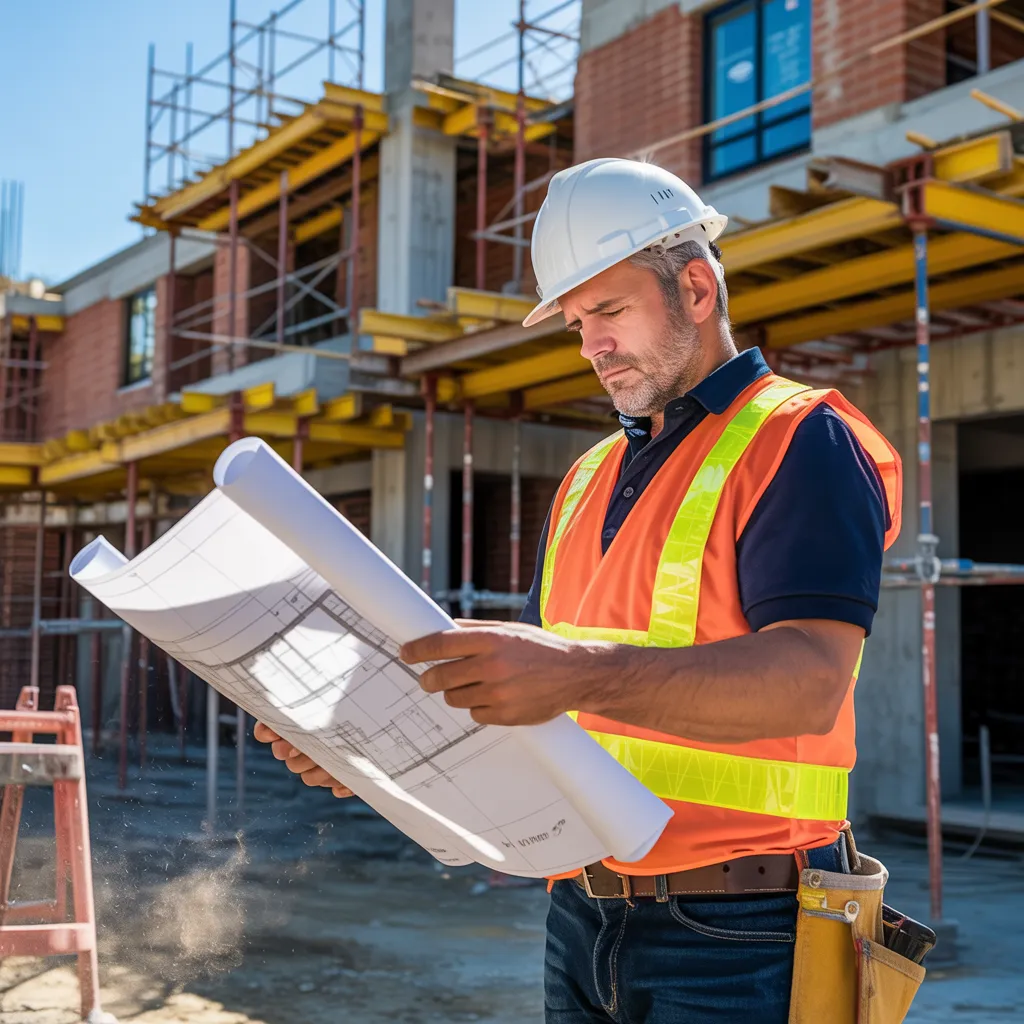
Picking the ideal general contractor for your home project is an vital decision. It necessitates careful assessment of different factors, comprising track record, qualifications, and people skills. Plenty of homeowners disregard critical factors, creating financial losses. Learning how to examine prospective builders can prove invaluable. Through emphasizing fundamental benchmarks and seeking proper responses, you can work through this complicated endeavor more smoothly. What are the vital procedures to confirm a fruitful collaboration?
How to Prevent Usual Errors When Determining a Service Provider
When selecting a general contractor, how can one deal with the numerous of possibilities without encountering typical mistakes? Prospective clients often ignore vital elements that can bring about negative experiences. First, considering price alone can be unreliable; the cheapest offer may mean subpar quality or additional charges. Additionally, failing to examine referrals or online reviews can lead to engaging an untrustworthy builder. It is also important to avoid making decisions based on charisma alone; a likable contractor may not possess the necessary skills or reliability. Moreover, neglecting transparent communication and requirements can result in conflicts and unhappiness. Finally, skipping detailed contract reviews before committing can lead to surprise liabilities or inadequate coverage. By being watchful and educated, homeowners can make wiser decisions, eventually ensuring a successful outcome.
What Counts When Selecting a Contractor's Level
When gauging a contractor's experience, multiple vital factors are important. Relevant project experience, industry certifications, and an extensive portfolio of finished work signal critical indicators of their proficiencies. Reviewing these aspects can provide valuable insights into the contractor compatibility for the particular project at hand.
Pertinent Project History
Recognizing a contractor's relevant expertise is critical for ensuring the success of any building endeavor. Prospective clients should examine the contractor's body of work, prioritizing on completed projects matching in scope and further information design to their own. This entails examining the standard of craftsmanship, respect to timelines, and expense management in former ventures. Additionally, it is beneficial to question about the types of supplies used and the contractor's familiarity with local regulations and regulations. Testimonials and citations from earlier clients can supply insights into the contractor's reliability and communication skills. Ultimately, a contractor with substantial applicable experience can navigate challenges successfully, ensuring the project achieves the homeowner's preferences and criteria.
Industry Certifications And Licenses
Certification and permit requirements function as critical markers of a contractor's professionalism and expertise in the construction industry. When choosing a general contractor, it is crucial to verify that they have the necessary licenses required by local and state regulations. These licenses show compliance with building codes and safety standards. Additionally, industry certifications, such as those from the National Association of Home Builders or similar organizations, indicate a contractor's commitment to quality and ongoing education. Contractors with specialized certifications may also possess skills in specific areas, such as green building or remodeling. Verifying that a contractor has the appropriate credentials not only enhances confidence in their capabilities but also reduces potential legal and financial risks during the project.
Portfolio Of Completed Work
A contractor's portfolio of completed work serves as an crucial tool for evaluating their experience and capabilities. This collection should showcase a mix of projects, demonstrating versatility in different styles and complexities. When reviewing a portfolio, potential clients should search for high-quality photographs that clearly show the workmanship involved. It is also useful to view projects that align with the homeowner's exact needs or visual tastes. Attention to detail, original strategies, and adherence to schedules are critical markers of a contractor’s skill. Additionally, client testimonials or case studies within the portfolio may provide greater insights into the contractor's professionalism and reliability. Ultimately, a solid portfolio can enable homeowners to make informed decisions about their upcoming projects.
How to validate Your Contractor Credentials and Licenses
Begin by verifying a general contractor's credentials and licenses before hiring them, as this becomes vital to ensure they fulfill industry standards. Start by verifying with regional licensing authorities to validate that the contractor holds the required permits for your area and project type. Because each state has its own regulations, understanding these details will avert future issues.
Furthermore, ask about insurance coverage, such as liability and workers' compensation, to ensure protection against potential accidents or damages. Obtain references from previous clients and check in to assess satisfaction and dependability.
In conclusion, assess any licenses the contractor may possess, as these often suggest expert knowledge and adherence to industry best practices. A rigorous verification process not only guarantees compliance but also builds confidence in the contractor's ability to accomplish the project successfully.
Why Strong Communication Is Key in Your Vendor Professional Relationship
Strong dialogue plays a vital role in the contractor-client relationship, shaping the project's achievement from day one. Open discussion sets expectations, timelines, and budgets, ensuring both parties are aligned on the project's goals. When clients express their vision with effectiveness, contractors can provide informed recommendations and solutions, improving the overall outcome.
Consistent communications and transparent channels of dialogue enable quick handling of issues as they surface, minimizing potential setbacks. In addition, a vendor who heeds and replies to customer suggestions creates rapport, which is essential for collaboration.
Additionally, strong interaction aids in handling modifications and unforeseen obstacles, keeping the project on course. It permits the contractor to modify methods based on client suggestions, securing contentment during the entire project. Ultimately, emphasizing engagement not only solidifies the contractor-client connection but also substantially aids in the successful completion of the home project.
Important Topics to Discuss with Your Construction Professional during Early Sessions
In first meetings with a contractor, clients should focus on understanding their background and qualifications. It's crucial to discuss the project timeline and budget to confirm alignment with the client's expectations. These questions establish a foundation for a successful partnership and effective project management.
Professional Background and Qualifications
Selecting a general contractor depends on knowing their background and qualifications. Homeowners should ask the contractor's time of experience and the types of projects they have finished. Detailed inquiries regarding licenses, accreditations, and insurance are crucial, as these ensure compliance with local regulations and provide security throughout the work. Additionally, reviewing past work through portfolios or references can offer insight into the contractor's craftsmanship and dependability. It is also helpful to ask about their familiarity with similar projects, as this can show their ability to handle specific challenges. Ultimately, evaluating a contractor's background and credentials fosters confidence and helps homeowners make informed decisions about their home projects.
Project Schedule and Budget
How can homeowners ensure their undertaking stays on budget track and temporally when meeting with a general contractor? To preserve consistency, they should ask important questions during initial meetings. Homeowners must ask regarding the estimated timeline for completion of the work and any possible setbacks that could arise. Comprehending the contractor's approach to schedule management is crucial. Additionally, addressing the budget upfront is vital; homeowners should seek clarity on pricing estimates, payment plans, and any built-in contingency funds for unforeseen expenses. Asking about previous projects can offer understanding into the contractor's dependability in meeting deadlines and maintaining budget constraints. By creating open dialogue regarding schedules and budgets, homeowners can foster a collaborative partnership with their contractor, enhancing the likelihood of a successful project.
Strategies for Checking References and Reading Reviews
What actions should one implement to guarantee a general contractor is reliable? First, it is crucial to request a list of recommendations from potential contractors. A reputable contractor will easily give names and contact information of previous clients. One should phone these references to inquire about their experiences, focusing on aspects such as communication, craftsmanship, and adherence to timelines.
Also, studying online feedback on services like Google, Yelp, or Angie's List can contribute practical knowledge. It is imperative to seek out themes in the reviews—steady praise or disapproval can highlight credibility or potential obstacles.
In addition, looking into any concerns registered with local licensing agencies or consumer protection agencies can reveal a contractor's past performance. Finally, requesting recent project photos can help assess the quality of their output. By taking these actions, one can arrive at a more informed determination when hiring a general contractor.
Learning About Freelance Professional Price Points and Compensation Conditions
Homeowners should also acquaint themselves with regular payment terms. Most contractors require a deposit upfront, preceded by installment-based payments dependent on construction phases. It's important to clarify these terms before signing a contract to prevent disagreements. Additionally, homeowners should inquire about extra charges, such as permits or unforeseen issues. Open exchange about pricing and payment terms will strengthen a genuine working relationship, ultimately bringing about a successful project outcome. Mastering these elements enables homeowners the power to make sound decisions when enlisting a general contractor.
Often Posed Questions
How much duration will it need to complete the work?
Duration of projects often vary with complexity levels and project scope. Generally speaking, you should expect weeks through multiple months for completion. Climate, material availability, and available workers can significantly influence the overall schedule for completion.
What Occurs if Surprise Challenges Occur During Development?
If unforeseen problems arise during building, the contractor usually assesses the circumstances, discusses with the homeowner, and suggests solutions. Adjustments to the schedule and budget may be required, ensuring openness throughout the project.
Does My Project Need Permits or Inspections?
Most undertakings require permits along with inspections to guarantee adherence with local building codes. It is essential to work with a general contractor who comprehends these regulations, as they can manage the permitting process effectively.
How Are Subcontractors and Their Payments Handled By You?
A credible construction professional manages subcontractors by establishing clear contracts specifying payment terms. They guarantee timely payments, maintain transparent dialogue, and monitor sub-contractor productivity, fostering a cooperative setting that contributes to project success and efficiency.
What Are Your Standards Regarding Project Changes or Upgrades?
The contractor maintains a adaptable strategy to modifications to projects, requiring written documentation for any improvements. They guarantee transparent dialogue, assess cost implications, and modify schedules accordingly to meet the client's changing requirements and preferences.